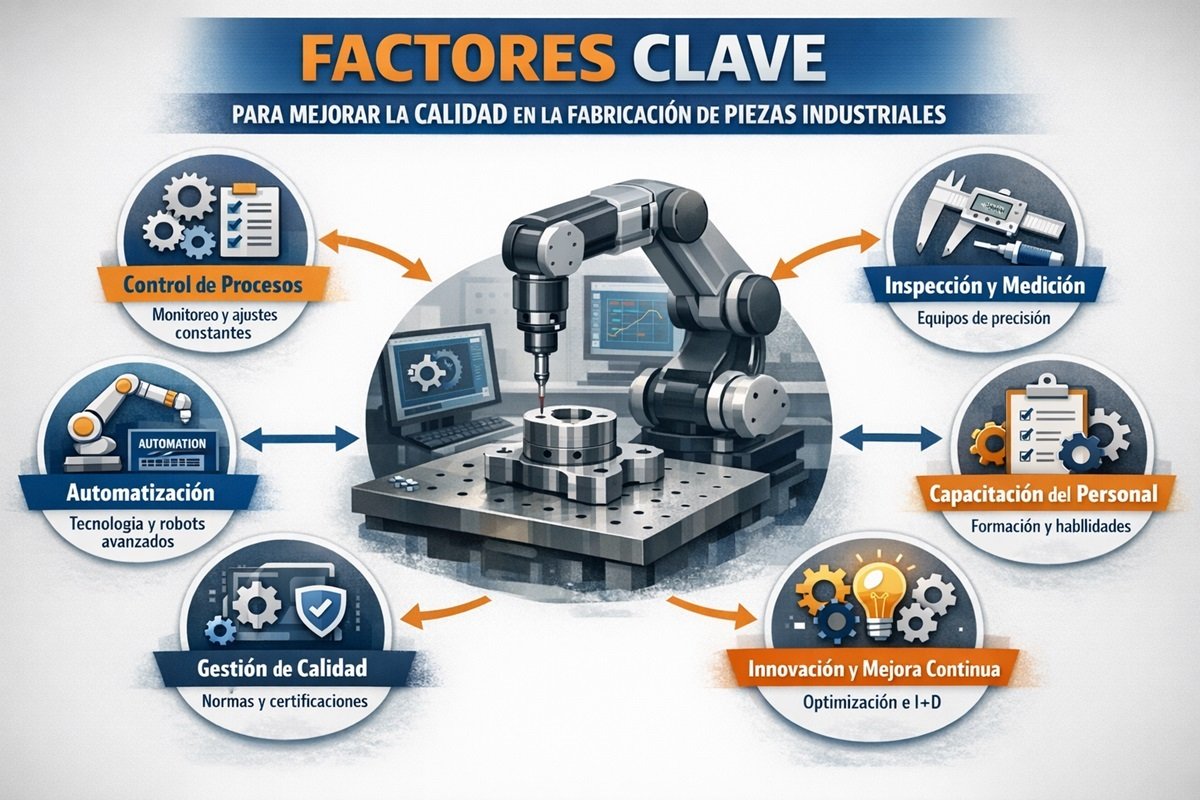
The Rising Importance of Process Discipline in Dimethyl Sulfoxide Manufacturing India
Process discipline plays a major role in improving quality, safety, and efficiency in dimethyl sulfoxide manufacturing across India. This article explains its growing importance in modern DMSO production facilities.


Dimethyl sulfoxide production is changing in a way that is less visible from outside the plant but very noticeable inside industrial systems that depend on stable solvent behavior. Earlier, most buyers accepted broader variation as long as the material stayed within specification. That tolerance has narrowed. Pharmaceutical production, specialty synthesis, electronics processing, and regulated export markets now expect tighter consistency over long supply cycles.
Because of this shift, leading Dimethyl Sulfoxide manufacturers India are no longer competing only through output capacity. The pressure is now centered around repeatability, recovery stability, impurity control, and how reliably the solvent behaves after transport and storage.
The industry is moving away from volume-driven thinking toward process-discipline-driven manufacturing.
Production Systems Are Being Designed Around Stability
The strongest change visible under current DMSO manufacturing trends India is the shift toward controlling variation before it forms rather than correcting it later.
DMSO production generally depends on oxidation of dimethyl sulfide under controlled reaction conditions. The chemistry itself is established. The problem begins when reaction temperature, oxygen balance, or residence time drifts slightly during production. Even minor fluctuations change impurity distribution and increase formation of secondary sulfur compounds.
Earlier, many plants depended heavily on downstream purification to fix these variations. That approach increases energy load and creates wider batch differences. Modern facilities are instead tightening reaction control itself so fewer corrections become necessary later.
This reduces inconsistency before the solvent even reaches distillation.
Distillation Efficiency Is Becoming More Important Than Maximum Recovery
Distillation is now one of the most critical control points in DMSO manufacturing. The solvent’s high boiling point makes separation sensitive to pressure shifts and heat instability. If operating conditions fluctuate, impurity carryover becomes less predictable.
Under evolving Dimethyl Sulfoxide industry trends, many producers are moving away from aggressive recovery-focused operation. Earlier, maximizing solvent recovery often took priority because higher recovery improved immediate production economics. The downside was broader impurity variation.
Current systems are being operated more conservatively. Stable column pressure, narrower cut-point ranges, and controlled heat input are being prioritized over peak recovery efficiency.
This slightly reduces maximum output but improves consistency across batches, which matters more to high-specification buyers.
Pharmaceutical Demand Is Tightening Supplier Expectations
The rise in Dimethyl Sulfoxide demand in pharmaceutical industry is one of the biggest reasons manufacturing discipline has increased across the sector.
DMSO is widely used in pharmaceutical synthesis, cryopreservation systems, reaction media, and biological processing environments. These applications respond quickly to moisture variation and sulfur-based impurities.
Even small shifts in impurity profile can alter reaction behavior or reduce storage stability in sensitive pharmaceutical systems. This forces suppliers to maintain narrower operational limits than many industrial applications previously required.
Because pharmaceutical buyers monitor long-term consistency more aggressively, suppliers serving those markets often improve discipline across all production lines, not only pharmaceutical-grade material.
This is one reason leading Dimethyl Sulfoxide manufacturers India are gradually raising process control standards industry-wide.
Export Markets Are Changing Handling Practices
The Export trends of Dimethyl Sulfoxide show growing movement into regulated international markets where storage and transport conditions are evaluated more closely than before.
DMSO absorbs moisture gradually during exposure and reacts differently under extended storage conditions. A batch that leaves the plant stable can change slightly during long shipping cycles if handling systems are weak.
Because of this, exporters are redesigning transfer practices. Closed handling systems, controlled loading procedures, and lower environmental exposure during shipment preparation are becoming more common.
The focus is shifting from production-only quality toward delivered-condition quality.
Sustainability Pressure Is Reshaping Production Decisions
The impact of Sustainable chemical manufacturing trends India is becoming increasingly visible inside DMSO plants, especially in energy management and emission control.
DMSO production involves high-temperature systems that consume substantial thermal energy. Earlier, energy efficiency was mostly considered a cost issue. Now it is also becoming a regulatory and customer evaluation factor.
Plants are improving heat recovery systems, reducing solvent loss during transfer, and tightening sulfur emission management. Waste minimization programs are becoming part of routine operations rather than separate environmental initiatives.
Interestingly, these sustainability improvements often improve process stability as well because better-controlled systems usually generate fewer operational fluctuations.
Digital Monitoring Is Reducing Delayed Corrections
One major area of chemical manufacturing innovations India is continuous process monitoring.
Earlier, many plants depended on periodic sampling followed by manual adjustment. This created delays between process drift and correction. By the time deviation became visible, part of the batch had already moved outside ideal conditions.
Modern monitoring systems reduce that delay. Temperature variation, oxygen balance, and pressure shifts are tracked continuously. Operators correct smaller deviations earlier instead of waiting for larger instability to appear.
This reduces cumulative variation across production cycles and improves repeatability between batches.
The Supply Chain Is Becoming Part of Quality Control
Storage and logistics were once treated separately from manufacturing quality. That separation is becoming weaker.
DMSO changes gradually during exposure to moisture, oxygen, or fluctuating temperatures. Because of this, storage systems and transport conditions now influence final solvent behavior more directly than before.
Many leading Dimethyl Sulfoxide manufacturers India are investing in better tank isolation, controlled transfer systems, and lower-exposure loading procedures to preserve solvent stability after production.
The product is no longer considered finished when distillation ends. It is considered finished when it reaches the user in stable condition.
What Industrial Users Actually Notice Over Time
Differences between suppliers usually become visible during repeated operation rather than initial qualification testing.
| Long-Term Observation | Likely Process Issue | Where It Appears | Operational Result |
| Gradual moisture increase after storage | Weak transfer or storage control | Storage tanks | Reduced reaction consistency |
| Higher residue after heating cycles | Heavy impurity carryover | Reaction systems | Increased cleaning frequency |
| Variation in odor between batches | Sulfur compound inconsistency | Handling areas | Early sign of instability |
| Slower evaporation behavior | Broad boiling range | Drying systems | Longer process cycles |
| Minor color changes during storage | Oxidation exposure | Stored solvent inventory | Reduced long-term stability |
These are not immediate failures. Most plants continue operating while correction effort gradually increases. Suppliers that minimize these variations usually become preferred over time.
Technology Without Process Discipline Still Creates Instability
Many facilities are investing heavily in automation, monitoring systems, and digital controls. However, unstable operating discipline still creates inconsistent output even with advanced equipment.
If operators continuously push recovery limits or allow reaction conditions to drift, automation only detects the instability faster. It does not eliminate it.
The strongest-performing suppliers are usually the ones combining process discipline with technology instead of depending on technology alone.
This difference is becoming more visible as buyers compare long-term operational behavior instead of isolated test results.
Final Perspective
The DMSO industry in India is moving through a structural shift driven by pharmaceutical demand, export pressure, sustainability expectations, and tighter process requirements.
For leading Dimethyl Sulfoxide manufacturers India, long-term competitiveness is increasingly linked to stability rather than scale alone. Buyers are comparing how the solvent behaves after storage, recovery, transport, and repeated industrial use.
The suppliers gaining stronger global positioning are not simply producing larger quantities. They are reducing variation at every stage so downstream systems require fewer corrections and operate more predictably over time.
Published By blog.crecso.com