How to Choose the Best Shower Wall Panels for Bathrooms
Discover how to choose the best shower wall panels for bathrooms in the UK. Compare PVC, acrylic, laminate and tile effect panels with expert buyer tips and installation advice.


Walk into any bathroom showroom in the UK today and you’ll notice something has changed. Tiles are still there, of course, but more and more display areas are dedicated to something different: shower wall panels. Clean, seamless, and surprisingly stylish, they’ve quietly become one of the most popular choices for bathroom renovations across the country.
It’s not hard to understand why. Grouting is a nightmare to keep clean, tiles can crack, and a full retile costs both time and serious money. Shower wall panels offer a practical alternative that doesn’t ask you to compromise on appearance. Whether you’re doing a full bathroom renovation or simply refreshing your shower enclosure, knowing how to choose the right panels can save you from expensive mistakes.
This guide covers everything you need to know, from materials and finishes to installation, maintenance, and the questions worth asking before you part with your money.
Quick Answer: What Are Shower Wall Panels?
Shower wall panels are large, waterproof sheets fitted directly to bathroom walls to create a sealed, grout-free surface inside shower enclosures and wet rooms. They come in a range of materials including PVC, acrylic, laminate, and composite, and can be installed over existing tiles or directly onto plasterboard. Most panels interlock or join with a trim system that eliminates the need for grouting entirely.
Key Takeaways
- Shower wall panels are a grout-free, low-maintenance alternative to traditional bathroom tiles.
- PVC panels are the most affordable; acrylic and laminate panels offer a more premium finish.
- For UK bathrooms, waterproof performance and mould resistance are especially important considerations.
- Panels can often be fitted over existing tiles, reducing renovation time and cost.
- Thickness matters: look for at least 8mm for a solid, quality feel.
- Always check if panels are suitable for wet areas and carry a manufacturer warranty.
Why More UK Homeowners Are Moving Away from Tiles
There’s a reason the bathroom panel market has grown so significantly in recent years. According to research published by Coherent Market Insights (shower wall panel market report), the global shower wall panel market is projected to grow steadily due to rising demand for waterproof, low-maintenance bathroom solutions. That trend is particularly pronounced in the UK, where older housing stock, smaller bathrooms, and a growing DIY renovation culture have all pushed homeowners towards more practical options.
Traditional tiles have genuine appeal. They’re durable, they hold their value, and there’s a huge variety to choose from. But they also come with well-known drawbacks. Grout lines discolour over time. They harbour mould and mildew, especially in poorly ventilated bathrooms. Regrouting is messy, and a full retile can cost thousands of pounds once you factor in labour.
Shower wall cladding sidesteps most of those issues. One smooth surface, no grout, easy to wipe clean. For busy households, rental properties, or anyone who doesn’t want to spend weekends scrubbing bathroom tiles, the appeal is obvious.
The Main Types of Shower Wall Panels
Not all bathroom wall panels are created equal. The material makes a significant difference to the look, feel, cost, and longevity of your installation.
PVC Shower Panels
PVC panels are the entry-level option and the most widely sold type in the UK. They’re lightweight, fully waterproof, and easy to cut and install. Most are tongue-and-groove systems that click together without adhesive, which makes them a popular choice for confident DIYers.
The trade-off is that cheaper PVC panels can feel a little hollow or thin underfoot if you knock them, and the lower-end finishes don’t always hold up well against cleaning products. Look for panels with a UV-stable surface coating if you want the print or colour to stay consistent over time. Thickness typically ranges from 5mm to 10mm, and it’s worth going for the thicker end of that range.
Acrylic Shower Wall Panels
Acrylic panels sit a step above PVC in terms of quality and appearance. They have a harder, more rigid surface that feels noticeably more substantial, and they hold their gloss finish well over time. They’re often used in higher-spec bathroom renovations where the look of the finished wall really matters.
Acrylic is also easier to keep clean than PVC because the surface is less porous. Limescale and soap residue tend to wipe off without much effort, which is a real bonus in hard water areas of England and Wales.
Laminate Wall Panels
High-pressure laminate panels are the option that most closely mimics the appearance of tiles or stone without any of the grouting. The surface layer is incredibly hard, resistant to scratching, and available in a wide range of realistic stone, marble, and concrete finishes.
They’re typically 10mm or 11mm thick and feel genuinely solid when installed. Many UK bathroom designers favour laminate panels for modern wet rooms and open-plan bathroom spaces precisely because they look so convincing. The downside is cost: laminate panels are among the more expensive options, and professional installation is usually recommended.
Composite Panels
Composite panels combine materials, often a rigid foam core with a hard outer skin, to deliver both lightness and structural strength. They’re particularly useful in situations where you need to fit panels over an uneven surface, as the panels themselves have enough rigidity to bridge minor inconsistencies in the wall behind.
Quality composite panels carry excellent waterproof ratings and are increasingly used in new-build bathrooms and hotel refurbishments across the UK.
Tile Effect Wall Panels
Tile effect panels deserve a special mention because they answer a common concern: “I like the look of tiles but not the maintenance.” These panels are printed or moulded to replicate the appearance of ceramic, porcelain, or natural stone tiles, complete with grout line detailing. From a distance, it can be genuinely difficult to tell the difference.
They’re available in PVC, acrylic, and laminate substrates, so the quality varies considerably. Look for panels where the tile effect pattern has depth and texture rather than a flat printed finish, as those tend to look more realistic.
How to Choose the Best Shower Wall Panels for Bathrooms
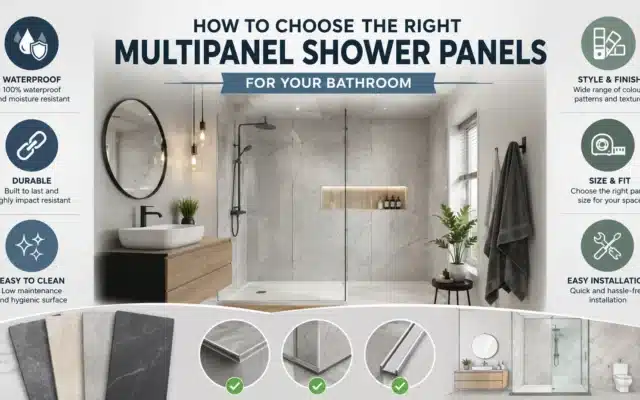
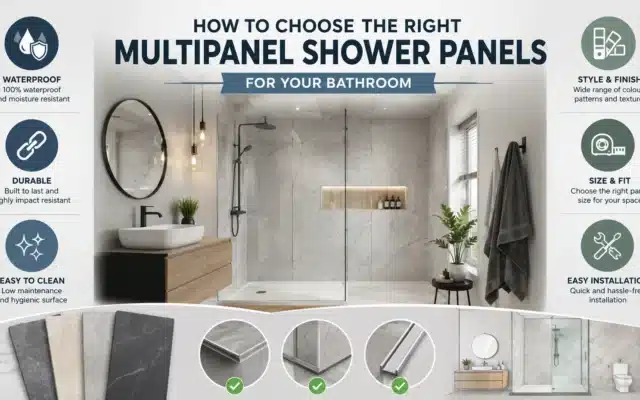
Choosing the right panels means thinking through several factors at once. Here’s how to work through the decision properly.
Bathroom Size
In smaller UK bathrooms, large format panels with minimal joins create a more open, spacious feel. Fewer visible seams and no grout lines make the space look less cluttered. For larger bathrooms or open wet rooms, you have more flexibility with panel size and join placement.
Budget
PVC panels start from around £20 to £40 per panel, while premium laminate options can run to £100 or more per sheet. Factor in the cost of trims, adhesive, and sealant too. If you’re doing a full bathroom renovation, panels will almost always work out cheaper than tiling once labour costs are included, but the upfront material cost varies considerably depending on the quality level you choose.
Waterproof Performance
This is non-negotiable. Any panel used inside a shower enclosure or wet room must be fully waterproof, not just water resistant. Check the product specification carefully. Look for panels that carry a specific waterproof certification or that are rated for continuous water exposure. Some cheaper panels are water resistant but not designed for direct shower use.
Mould Resistance
UK bathrooms deal with high humidity levels year round. Panels with an antibacterial or antimicrobial surface coating offer added protection against mould and mildew growth, particularly around joins and edges. This is worth spending a little more on if your bathroom has limited ventilation.
Maintenance and Ease of Cleaning
One of the main selling points of shower wall panels is that they’re far easier to clean than tiled surfaces. That’s broadly true, but the degree of ease depends on the surface finish. Gloss finishes show water marks more easily but clean quickly with a damp cloth. Matt and textured finishes hide marks better but can trap soap residue in the surface texture. Think about your cleaning habits honestly before choosing a finish.
Design and Aesthetics
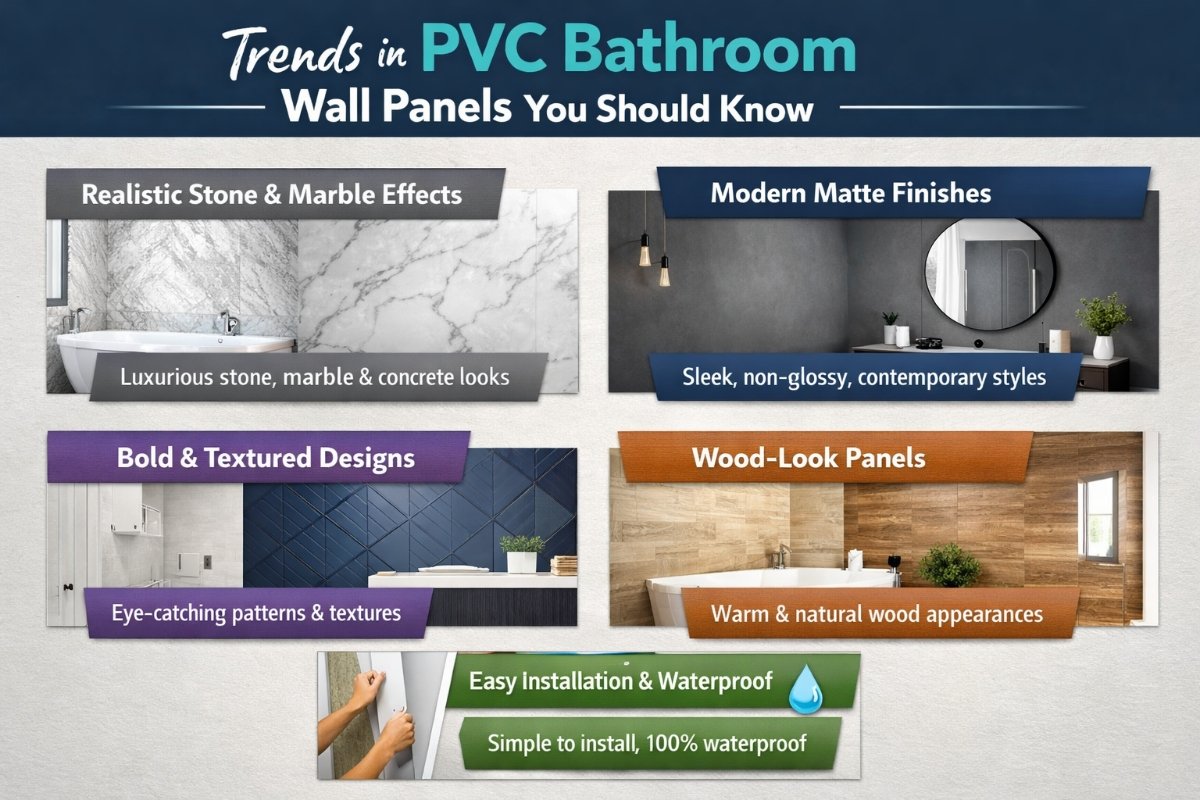
Modern bathroom wall panels are available in an enormous range of finishes, from plain white gloss to marble, slate, concrete, and wood effect. The best approach is to order samples before committing. Colours and patterns look very different on a small card than they do on a full bathroom wall, and lighting plays a huge role in how the finished result looks.
Durability and Thickness
Thicker panels are generally more durable. For shower walls, 8mm is a reasonable minimum, and 10mm or 11mm is preferable for a quality finish. Thin panels can bow between fixing points or feel insubstantial, and they’re more prone to damage from everyday use.
Installation Method
Some panels are designed for DIY installation using a tongue-and-groove click system. Others require adhesive and specialist trims. If you’re fitting panels yourself, check whether the manufacturer provides clear installation guides and whether the system is genuinely suited to DIY. Incorrectly installed panels can allow water ingress behind the wall, which causes far bigger problems than a few hours saved during fitting.
Longevity
A good quality shower wall panel system should last 20 to 30 years with proper care. Look for panels backed by a manufacturer’s warranty of at least 10 years. Be cautious of panels with no warranty or vague guarantees about performance.
Shower Wall Panels vs Traditional Tiles: A Comparison
| Factor | Shower Wall Panels | Traditional Tiles |
|---|---|---|
| Installation time | Hours (often 1 day) | Days (including drying time) |
| Grout maintenance | None required | Regular cleaning and regrouting |
| Waterproofing | Fully waterproof (grout-free joins) | Dependent on grout quality and condition |
| Cost (supply and fit) | Generally lower overall cost | Higher labour cost |
| Design variety | Wide range of finishes and effects | Huge variety, including bespoke options |
| Longevity | 20 to 30 years with good quality panels | 30+ years if maintained well |
| Ease of cleaning | Very easy, one smooth surface | Grout lines require extra effort |
| Resale value perception | Improving as quality increases | Generally seen as premium by buyers |
| DIY suitability | High (click-fit systems) | Moderate (requires tiling skills) |
| Mould risk | Low (no grout lines) | Higher (grout lines collect moisture) |
UK-Specific Considerations
UK homes have some specific characteristics that influence which type of shower wall panels make the most sense.
Hard water is a real issue in many parts of England, particularly London, the South East, and the Midlands. Limescale builds up quickly on shower surfaces, and a smooth, non-porous panel surface is much easier to descale than grouted tiles. Acrylic and laminate panels tend to perform particularly well in hard water areas.
UK bathrooms are also frequently on the small side, especially in older terraced properties and flats. Large format panels help small spaces feel bigger and more open. The absence of visible grout lines makes a real visual difference in a compact shower enclosure.
From a renovation trend perspective, UK bathroom design has moved firmly towards cleaner, more minimal aesthetics in recent years. Stone effect and concrete finish panels fit well with this direction and are increasingly popular in both new builds and refurbishment projects.
For landlords and property investors, bathroom wall panels offer a practical advantage: they’re faster to install than tiles, durable enough to handle tenant turnover, and easy to clean between lets. The Which? guide to bathroom renovations (which.co.uk) highlights ease of maintenance as one of the top priorities for UK homeowners when choosing bathroom surfaces.
Practical Buyer Tips: What to Watch Out For
Mistakes to Avoid
- Buying on price alone. The cheapest panels often have thin surface coatings that peel or discolour within a few years. Compare warranties and read independent reviews before buying.
- Skipping the sample stage. Always order samples. What looks good on a website can look completely different in your actual bathroom under your existing lighting.
- Ignoring the joins. The quality of the trim and join system matters as much as the panels themselves. Cheap trims fail and allow water to get behind the wall.
- Not checking wall condition first. Panels installed over damp or damaged walls will not solve an underlying problem. Fix any issues before fitting.
Questions to Ask Before Buying
- Is this panel rated for full wet area use, or just water resistant?
- What is the warranty period and what does it cover?
- Can I install this myself, or is professional fitting recommended?
- What thickness is available, and what’s included in the price?
- Are compatible trims and adhesives sold separately?
Signs of Poor Quality Panels
- Very thin (under 5mm) with no stated core material
- No mention of UV stability or anti-yellowing treatment
- Vague waterproof claims with no supporting certification
- No warranty, or warranty under 5 years
- Printed surface with no texture depth (looks flat and cheap)
Choosing the Right Finish and Thickness
Gloss finishes are easiest to clean and reflect light well, which suits smaller bathrooms. Matt and satin finishes are more forgiving of water marks and fingerprints. Textured stone or slate effects add visual interest but need a slightly more thorough clean to stop product residue settling in the texture.
For thickness, 10mm is a reliable benchmark for quality. Anything below 8mm is best avoided for shower use, and anything described as “ultra-thin” should be treated with caution unless it comes from a reputable manufacturer with clear performance testing behind it.
Installation and Maintenance: What You Need to Know
Most panel systems are designed to be fitted using either a click-fit tongue-and-groove method or panel adhesive with decorative trims to cover joins. The click-fit approach is genuinely DIY-friendly and doesn’t require special tools beyond a saw, a spirit level, and some patience.
Panels can typically be fitted directly onto plasterboard, brick, or existing tiles, provided the surface is clean, dry, and structurally sound. Always apply a bead of waterproof silicone sealant at the base of the panel and around any joins to create a fully sealed installation.
Maintenance is straightforward. A weekly wipe-down with a damp microfibre cloth is usually enough. Avoid abrasive cleaning products on gloss surfaces, as they’ll scratch the finish over time. A diluted white vinegar solution works well for limescale without damaging the panel surface.
Frequently Asked Questions
Are shower wall panels as waterproof as tiles?
Yes, and in some respects more so. Properly installed shower wall panels create a continuous, grout-free surface with no gaps for water to penetrate. Traditional tiling relies on grout, which deteriorates over time and can allow water ingress if not maintained. Quality panels with correctly sealed joins offer excellent waterproof performance.
Can I fit shower wall panels over existing tiles?
In most cases, yes. Panels can be fitted directly over existing tiles provided the tiles are firmly fixed, the surface is flat, and there’s no existing damp or mould problem behind the tiles. This makes panels a popular choice for bathroom refreshes where ripping out old tiles isn’t practical or affordable.
How long do shower wall panels last?
A quality panel system should last 20 to 30 years. Lifespan depends on the quality of the panel, how well it’s installed, and how well it’s maintained. Premium laminate and acrylic panels tend to have the longest lifespans. Always check the manufacturer’s warranty before buying.
What is the best thickness for shower wall panels?
For a shower enclosure, 10mm is generally considered the best thickness for a solid, quality feel. Panels as thin as 5mm are available, but these are better suited to dry areas. For wet rooms with continuous water exposure, stick to 8mm as an absolute minimum and 10mm or 11mm for best results.
Do shower wall panels add value to a home?
This has become less of a concern as panel quality has improved. High quality laminate or acrylic panels in a well-designed bathroom can look genuinely premium and are increasingly accepted by homebuyers. Budget PVC panels are unlikely to impress in the same way, so it’s worth investing in quality if resale value is a consideration.
Are wet wall panels the same as shower wall panels?
Broadly, yes. “Wet wall panels” is a term used in the UK to describe waterproof wall cladding designed for shower areas, wet rooms, and other moisture-prone bathroom zones. It’s another name for the same product category. Not all wet wall panels are equal in quality, so the same buying criteria apply regardless of what they’re called.
Can shower wall panels be used on a bath surround?
Absolutely. Panels are commonly used on bath surrounds as well as shower enclosures. They’re a practical and stylish option for covering the wall area around a bath, and the seamless finish looks particularly good in modern bathroom designs.
Conclusion
Choosing the right shower wall panels for bathrooms doesn’t have to be complicated, but it does require a bit of thought. Material quality, waterproof performance, thickness, and finish all play a role in whether you end up with a bathroom you love for the next two decades or something you’re replacing again in five years.
For most UK homeowners, the shift towards panels makes a lot of practical sense. They’re faster to install, easier to clean, and increasingly difficult to distinguish from the tile finishes they replicate. Whether you opt for budget-friendly PVC, mid-range acrylic, or premium laminate, the fundamentals remain the same: buy the thickest panel your budget allows, check the waterproof credentials carefully, order samples before committing, and don’t cut corners on the join and trim system.
Done well, a panel-clad shower can be one of the most satisfying upgrades you can make to a UK bathroom. Low maintenance, genuinely good-looking, and built to last, the right shower wall panels are a smart investment in a more enjoyable, stress-free bathroom.