How to Design a Stylish Bathroom With Shower Panel Features
Planning a modern bathroom with shower panel features? Explore smart design ideas, waterproof wall solutions, colour combinations, storage tips, and contemporary shower panel styles to create a practical and stylish bathroom space.


A well-designed bathroom does more than just serve a functional purpose. It becomes a private retreat, a space where you begin and end every single day. And when it comes to upgrading that space, nothing transforms the feel of a bathroom quite as dramatically as introducing a carefully chosen shower panel.
Whether you are renovating an older home, fitting out a new build, or simply refreshing what you already have, building a bathroom with shower panel features opens up a world of design possibilities that go far beyond what traditional tiled walls can offer.
This guide covers everything you need to know, from understanding what shower panels actually are, to choosing the right style, material, and finish for your bathroom, installing them correctly, and keeping them looking pristine for years to come.
If you have been on the fence about making the switch, by the time you finish reading, the picture will be a great deal clearer.
What Exactly Is a Shower Panel?
A shower panel is a large format wall covering designed specifically for wet areas like showers and bath surrounds. Unlike traditional ceramic or porcelain tiles, shower panels come as full sized boards that are fitted directly onto the wall, covering the surface in one clean sweep without grout lines.
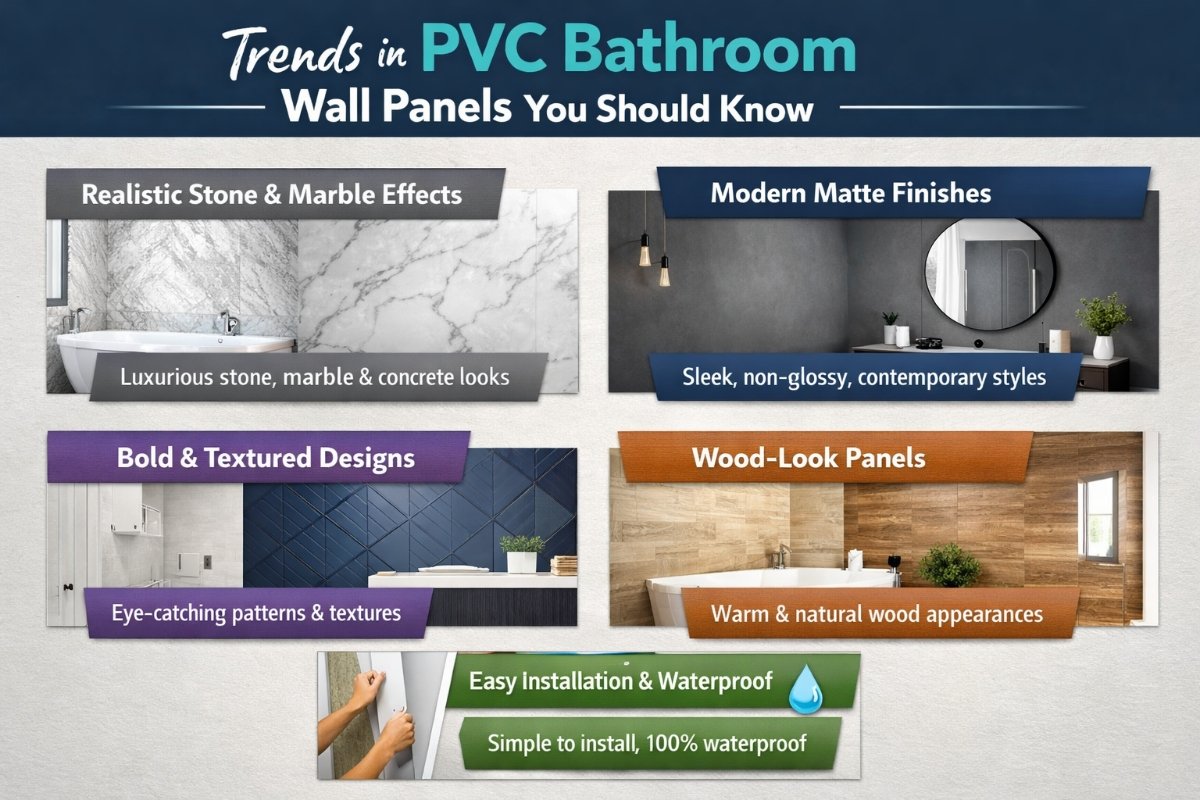
They are most commonly manufactured from PVC, acrylic, composite materials, or solid stone resin, and they come in a truly extensive range of finishes. You can find options that replicate the look of marble, slate, wood grain, concrete, or classic subway tile, right through to bold solid colours and abstract textures. The result is a surface that looks polished and intentional while demanding far less maintenance than traditional tiles.
Over the last decade, shower panels have become an increasingly popular choice for homeowners, interior designers, and property developers alike. Their appeal lies in a combination of aesthetics, practicality, and the sheer speed of installation compared to tiling.
Why More Homeowners Are Choosing Shower Panels Over Traditional Tiles
There was a time when tiles were considered the only acceptable material for a shower enclosure. That assumption has shifted significantly, and it is not hard to see why. The fact that Tiles Are Being Replaced by modern shower panel systems at a growing rate tells you a great deal about how the market has evolved and what homeowners now prioritise when designing their bathrooms.
Grout is arguably the biggest complaint associated with tiled showers. Even with the best maintenance routine, grout lines discolour over time, harbour mould and mildew, and eventually require regrouting or replacing entirely. Shower panels eliminate this problem completely. With no grout lines to speak of, the surfaces are seamless, hygienic, and far easier to clean on a daily basis.
Beyond the practical argument, there is a strong aesthetic case for shower panels. The large format design creates a sense of visual continuity that tiles simply cannot replicate in the same way. A panel that spans from floor to ceiling in a single marble effect gives the space a luxury hotel quality that feels expensive and considered, even if the panels themselves were very reasonably priced.
Installation time is another major factor. Fitting traditional tiles in a shower enclosure is a skilled job that can take several days when you factor in surface preparation, adhesive setting, grouting, and sealing. Shower panels, by contrast, can typically be fitted in a single day, which matters enormously if you are working around a busy household or tight renovation schedule.
The Different Types of Shower Panels and What Sets Them Apart
Before you can design a bathroom with shower panel features that genuinely suits your home and lifestyle, it helps to understand the main categories of panels available and what differentiates them.
PVC Shower Panels
PVC panels represent the most affordable end of the market, and they are far more versatile than their price point might suggest. They are lightweight, completely waterproof, easy to cut and install, and available in dozens of finishes. For rental properties, budget renovations, or spaces where practicality is the priority, PVC panels are a sensible, cost-effective choice. Their main limitation is that they can feel slightly less substantial underfoot or to the touch compared to thicker composite options, but at a distance the visual result is often very similar.
Acrylic Shower Panels
Acrylic panels sit in the mid range of the market and offer a noticeably more premium look and feel compared to standard PVC. They tend to have a deeper, more lustrous finish, particularly in gloss options, and they are quite forgiving when it comes to minor impact. Acrylic is warm to the touch, resistant to fading, and very straightforward to clean. Many homeowners find that acrylic panels strike the ideal balance between quality and value.
Laminate Shower Panels
High pressure laminate panels are a robust choice that work particularly well in contemporary bathrooms. They feature a decorative surface layer bonded to a rigid core, which makes them extremely durable and resistant to knocks and scratches. The print quality available on laminate panels is impressive, and they are frequently used to achieve very convincing stone and concrete effects.
Solid Stone Resin Panels
At the premium end of the market, solid stone resin panels deliver a genuinely luxurious result. These panels are heavy, dense, and beautifully textured, and they are the closest thing you will find to the look and feel of natural stone without the associated weight, cost, and maintenance requirements. If you are designing a high-end bathroom where quality is non-negotiable, stone resin panels are worth the investment.
Tile Effect Wall Panels
For homeowners who love the look of tiles but want to avoid the grout maintenance that comes with them, Tile Effect Wall Panels offer a genuinely compelling solution. These panels are designed to replicate the visual appearance of traditional tiles, complete with subtle grout line detailing, but without any of the gaps where moisture and mildew can take hold. They deliver the aesthetic charm of tiled walls with all the practical advantages of a seamless panel system.
How to Choose the Right Shower Panels for Your Bathroom
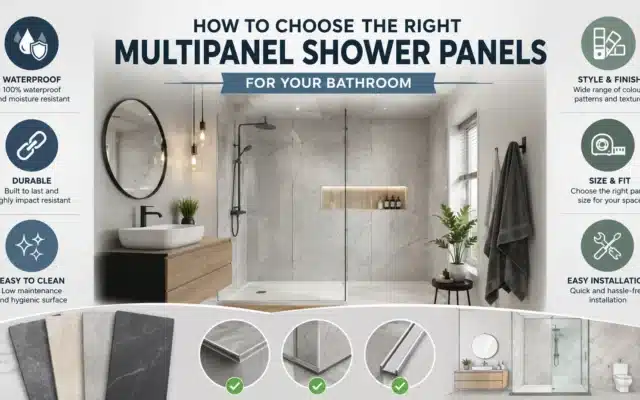
Choosing the wrong shower panel is an easy mistake to make when you are faced with such a wide range of options. The decision involves far more than simply picking a colour or pattern you like. A helpful resource on How to Choose Shower Wall Panels can walk you through the technical details, but here are the key considerations to guide your thinking.
Consider the Size and Layout of Your Bathroom
The size of your bathroom should influence both the finish and the tone of the panels you choose. Light coloured panels with subtle textures tend to make smaller bathrooms feel more open and airy, while darker, bolder finishes work well in larger spaces where you can afford to add drama without overwhelming the room. If your shower enclosure is particularly compact, a panel with a fine vertical texture can help draw the eye upward and create the impression of more height.
Think About Your Existing Design Scheme
Your shower panels do not exist in isolation. They need to sit comfortably alongside your flooring, sanitaryware, fixtures, and any other wall treatments in the space. If your bathroom features warm wood-toned flooring, a cool grey concrete effect panel might clash rather than complement. Take time to look at the full picture and consider how the panels will interact with everything else in the room before making a final decision.
Factor in Practical Demands
Think about how the bathroom is actually used on a daily basis. A family bathroom that sees a great deal of traffic needs panels that are tough, easy to wipe down, and resistant to surface scratching. A master ensuite used primarily by adults has more flexibility when it comes to softer finishes and more delicate textures. The practical demands of the space should always inform your material choices.
Match the Panel to the Shower System
If you are installing a rainfall showerhead, a body jet system, or a thermostatic shower tower, the panel material needs to be genuinely waterproof and capable of withstanding sustained water exposure without warping, swelling, or delaminating. Always check the product specifications and manufacturer guarantees before purchasing.
If you are based in the United Kingdom, it is worth seeking out ranges that have been specifically developed with UK building standards and bathroom proportions in mind. Many panels sold internationally are sized for different room layouts and may require unnecessary cutting and waste to fit standard UK shower enclosures. Sourcing from suppliers who understand the UK market ensures a more straightforward installation and better value for money overall.
👉 Look at Shower Panels for UK Bathrooms
Designing a Bathroom With Shower Panel: Room by Room Inspiration
One of the most exciting aspects of working with shower panels is the sheer range of looks you can achieve. These are not one-size-fits-all products. With some thought and creativity, you can use them to create almost any aesthetic, from stripped-back industrial to warmly rustic to cool and contemporary.
The Minimalist Sanctuary
For a clean, uncluttered aesthetic, choose large format panels in a single tone. A soft warm white, pale greige, or brushed concrete finish works beautifully here. Keep the fixtures simple, go with frameless glass on the shower enclosure, and let the seamless panel surface do the talking. The absence of grout lines emphasises the minimalist intent and makes the whole space feel serene and intentional.
The Boutique Hotel Look
To recreate the feel of a high-end hotel bathroom, opt for panels with a convincing marble effect in white, grey, or soft gold tones. Pair them with brushed brass or matte black fixtures, underfloor heating, and generous towel warmers. Add a freestanding bath if space allows and the effect is genuinely striking. The marble-effect panel is the foundation of the whole look because it sets the tone of quiet luxury immediately.
The Industrial Chic Bathroom
Dark concrete-effect panels pair brilliantly with exposed metal hardware, matte black taps, and raw timber accents. This look works particularly well in loft conversions and urban apartments where the architecture already lends itself to an industrial aesthetic. The key is to commit to the palette rather than diluting it with softer elements that do not belong.
The Nature-Inspired Retreat
Warm stone and sandstone-effect panels in neutral, earthy tones create a bathroom that feels connected to the natural world. Layer in natural materials elsewhere in the space through wooden shelving, linen towels, and potted plants, and you have a bathroom that genuinely feels like a retreat from the everyday. These finishes work particularly well in countryside homes and properties with a more traditional character.
The Bold and Graphic Statement
If understated is not your style, shower panels can support bolder choices too. Deep navy, forest green, or charcoal panels make a strong visual statement and pair well with polished chrome or brushed nickel fixtures. This approach works best when the rest of the bathroom is deliberately restrained, allowing the panels themselves to command attention without competing with other busy elements.
Shower Panel Installation: What You Need to Know
One of the most frequently cited advantages of shower panels is how straightforward they are to install compared to traditional tiling. That said, a well-executed installation does require some care and preparation, and it is worth understanding the process before you begin.
Surface Preparation
The surface onto which the panels will be fixed needs to be clean, dry, flat, and structurally sound. If you are fixing panels over existing tiles, check that every tile is firmly adhered with no hollow sounding areas. Loose or cracked tiles should be removed and the wall made good before the panels go up. If you are working on bare plasterboard, ensure it is properly sealed or consider using a dedicated wet area board designed for humid environments.
Measuring and Cutting
Accurate measuring is essential. Most shower panel systems are designed to fit standard enclosure dimensions, but you will almost certainly need to make some cuts, particularly around shower valves, pipework, and corners. Use a fine-toothed saw for clean cuts and always work from the face side to avoid chipping the decorative surface.
Adhesive and Fixing
Most shower panels are fixed using a combination of panel adhesive and trim profiles. The adhesive creates the bond with the wall surface, while the trim profiles manage the joints at corners, edges, and junctions with other surfaces. Follow the manufacturer’s guidance carefully regarding adhesive coverage, setting time, and any mechanical fixings that are recommended in addition to adhesive bonding.
Sealing and Finishing
Once the panels are in position and the adhesive has fully cured, all exposed edges and joints should be sealed with a high-quality silicone that is appropriate for wet areas. Take your time with this step because a neat, consistent bead of silicone makes a visible difference to the finished result. Choose a silicone colour that complements rather than contrasts with the panel finish.
How to Keep Shower Panels Looking Their Best
One of the most compelling arguments for choosing shower panels over traditional tiles is the dramatically reduced maintenance burden they bring with them. Knowing how to Keep Shower Panels Clean with minimal effort is straightforward, but there are a few habits worth establishing from the outset.
After every shower, a quick wipe with a soft squeegee or microfibre cloth removes the majority of water and prevents limescale from building up on the surface. This takes less than thirty seconds and makes a significant difference to how clean the panels look day to day. It is especially important in areas with hard water, where calcium deposits can accumulate quickly if the surface is left wet.
For a deeper clean, a mild non-abrasive bathroom cleaner applied with a soft cloth is all that is needed. Avoid scouring pads, harsh abrasive cleaners, or anything containing bleach at full concentration, as these can dull the surface finish over time. Most panel manufacturers produce a specific cleaning product formulated for their material, and where one is available it is worth using it.
Silicone seals should be inspected periodically and reapplied when they begin to show signs of discolouration or deterioration. This is the most maintenance-intensive aspect of shower panels, but even this task is considerably less demanding than regrouting traditional tiles.
Combining Shower Panels With Other Bathroom Features
A bathroom with shower panel features is not just about the shower enclosure itself. The panels can be used more extensively throughout the space to create a cohesive, design-led environment.
Extending Panels Beyond the Shower Enclosure
Many homeowners choose to run the same panel material across the full wall behind the bath, or even around the entire perimeter of the bathroom. This creates a very unified look and eliminates the visual break you would otherwise have between different wall treatments. It also extends the practical benefits of a waterproof, grout-free surface to areas beyond the shower zone itself.
Pairing With Complementary Flooring
Shower panels work particularly well when paired with luxury vinyl tile or stone effect flooring that complements the wall finish. A grey marble-effect panel paired with a matching marble-effect floor creates a seamless, immersive look that feels genuinely considered and high-end. When choosing floor and wall finishes together, opt for the same tone family while varying the texture to add visual interest without losing coherence.
Mixing Materials Thoughtfully
While matching panels throughout the bathroom can be very effective, there is also merit in introducing a contrast panel as a feature wall. A different colour or texture on the wall directly behind the shower head, for instance, creates a focal point and adds depth to the design without requiring an entirely different system.
This is a particularly good strategy in larger bathrooms where a single material might start to feel monotonous across a wide expanse of wall.
Shower Panels and Bathroom Acoustics
Something that rarely gets discussed in the context of bathroom design is the acoustic quality of the space.
Hard tiled surfaces are notorious for creating echoing, boomy sound environments. While shower panels do not provide the same level of acoustic treatment as purpose-built Acoustic Wall Panels, they do tend to absorb slightly more sound than glazed ceramic tiles, and certain composite panel materials with thicker construction can make a modest but noticeable difference to the acoustic feel of the bathroom.
For homeowners who are particularly sensitive to bathroom acoustics, it is worth factoring this into your material selection.
Taking the Panel Approach Beyond the Bathroom
Once you have discovered the practical and aesthetic benefits of panel wall systems in the bathroom, it is natural to start thinking about where else the same approach might work in your home. Kitchen Wall Panels are a very natural extension of this thinking, bringing the same benefits of a seamless, waterproof, easy-clean surface to the splashback and surrounding wall areas in your kitchen.
The approach is the same, the principles are identical, and the result is a kitchen that is as practical to maintain as your newly updated bathroom.
Panel wall systems are increasingly being adopted across multiple rooms in the home by homeowners who recognise the consistent logic of the approach: durable surfaces with a premium finish that require far less upkeep than traditional tiled alternatives.
Common Mistakes to Avoid When Designing a Bathroom With Shower Panel
Even with the best intentions, there are a handful of common errors that can compromise the finished result of a shower panel installation. Being aware of them in advance helps you avoid them entirely.
Choosing on Aesthetics Alone
It is very easy to fall in love with a particular finish online or in a showroom, only to discover that it does not work in your actual bathroom once it is fitted. Always order samples before committing to a full purchase, view them in the space at different times of day, and check how they look alongside your existing fixtures and flooring.
Underestimating the Importance of Trim Profiles
The quality of your trim profiles matters more than most people realise. Poorly fitted corner trims, edge profiles, and joint strips will undermine an otherwise excellent installation. Take the time to choose profiles that complement the panel finish and install them with care.
Skipping Surface Preparation
No amount of high-quality panel material will compensate for a poorly prepared substrate. Panels installed on surfaces that are uneven, damp, or structurally compromised will fail prematurely. Invest the time in proper preparation and the installation will repay you with years of trouble-free performance.
Ignoring the Warranty
Most reputable shower panel manufacturers offer warranties that range from ten to twenty-five years or more. Read the warranty conditions before purchasing and make sure your installation method complies with them. Some warranties are voided by the use of unauthorised adhesives or incompatible cleaning products.
Buying on Price Alone
The cheapest panels are sometimes the cheapest for a reason. Very low-cost products may use thinner materials, inferior surface coatings, or print technologies that fade or scratch relatively quickly. It is usually worth spending a little more to get into a quality tier where the material genuinely performs as advertised over the long term.
Frequently Asked Questions About Bathrooms With Shower Panels
Are shower panels completely waterproof?
The panels themselves are fully waterproof, but the silicone seals at joints, corners, and edges must be correctly applied and maintained to ensure the installation as a whole is watertight. This is why seal quality and regular inspection matter so much.
Can shower panels be fitted over existing tiles?
In most cases, yes, provided the existing tiles are all firmly adhered, the surface is flat and level, and there is sufficient room in the space once the additional panel thickness is accounted for. Always check the manufacturer’s guidance for your specific product before overboarding existing tiles.
How long do shower panels typically last?
With proper installation and routine maintenance, quality shower panels should last fifteen to twenty-five years or more. The silicone seals may need refreshing at intervals during that period, but the panels themselves are very durable.
Do shower panels add value to a home?
A well-designed bathroom is consistently cited as one of the renovations most likely to add value to a property. Shower panels contribute to this by creating a bathroom that photographs well, presents cleanly, and signals quality and modernity to potential buyers.
Can I install shower panels myself or do I need a professional?
Many homeowners successfully install shower panels themselves, particularly PVC and acrylic products that are lightweight and easy to cut. That said, if you are less confident with DIY tasks or if the installation involves complex cuts around existing pipework, a professional installation will deliver a more reliable and polished result.
A Final Word on Building the Bathroom You Actually Want
Designing a bathroom with shower panel features is one of the most impactful decisions you can make in a bathroom renovation. The combination of design versatility, practical durability, and low-maintenance performance makes shower panels a genuinely compelling alternative to traditional tiles for almost any bathroom project, regardless of budget or scale.
The key is to approach the decision thoughtfully. Understand the space you are working with, choose a material and finish that genuinely suits both the aesthetics and the practical demands of the room, invest in proper preparation and installation, and establish the simple maintenance habits that will keep your panels looking as good in ten years as they do on day one.
Whether you are drawn to the serene simplicity of a minimal white enclosure, the drama of deep slate-effect panels, or the effortless luxury of a marble finish, there is a shower panel system that can bring that vision to life. The bathroom you have always wanted is well within reach, and shower panels are one of the most effective tools for getting you there.
Published By blog.crecso.com