The Complete Guide to Shower Panel Systems: Everything You Need to Know Before Buying
Everything to know before buying shower panel systems, from PVC and composite to solid surface, plus real cost ranges, installation steps, and a buying checklist for US homeowners.


Walk into any home improvement store today and you will notice something has changed in the bathroom aisle. Tile is no longer the automatic default. More homeowners are asking about shower panel systems instead, and contractors are recommending them more often than they did even five years ago.
Part of this shift comes down to practicality. Grout lines stain, tile takes days to install, and a cracked tile in the middle of a shower wall is a genuine headache to replace. Shower wall panels solve a lot of these frustrations in one move. They install faster, they resist mold better in most cases, and they give a bathroom a cleaner, more contemporary look without the upkeep tile demands.
This guide is written for homeowners who are renovating a bathroom, replacing old tile, building new, or simply comparing waterproof wall systems before making a decision. By the end, you should have a clear picture of what shower panel systems are, which type suits your bathroom, how much the project will realistically cost, and what to watch out for during installation.
What Are Shower Panel Systems?
Shower panel systems are large, rigid sheets installed directly onto shower or bathroom walls to create a waterproof surface, replacing the need for individual tiles and grout lines. Instead of hundreds of small tiles set one by one, a bathroom wall is covered with just a few large panels, joined together with trims, sealant, and sometimes tongue and groove edges depending on the brand.
Most systems are built from one of a handful of core materials: PVC, SPC (stone plastic composite), acrylic, laminate, or solid surface material. Each panel typically has a printed or textured decorative face, a rigid core for structural strength, and a waterproof backing that keeps moisture from reaching the wall behind it.
Panels are usually installed with a combination of adhesive and mechanical fixing, then sealed at the joints and edges with silicone or trim strips designed specifically for wet areas. Because the surface is a single continuous panel rather than dozens of tiles, there are far fewer seams for water to find its way through.
You will see shower wall panels used in full shower enclosures, tub surrounds, wet rooms, and increasingly across entire bathroom walls as a full wall covering rather than just around the shower itself. They are common in both new home construction and renovation projects, and contractors often turn to them specifically for bathrooms that need to be finished quickly, such as rental units or short renovation timelines.
Shower Only Panels vs Full Bathroom Wall Panels
There are two common ways homeowners use this product. The first is a shower only application, where panels cover the walls inside the shower enclosure or tub surround while the rest of the bathroom keeps its existing paint, tile, or wallpaper. This is the more budget friendly route and the most common choice for a quick, targeted upgrade.
The second approach treats the panels as a full bathroom wall covering, extending them beyond the shower to cover an entire bathroom, sometimes including behind the vanity or around a freestanding tub. This creates a more cohesive, high end look and is worth considering if the bathroom will see a full renovation rather than a targeted shower update.
It does raise the material cost since more square footage is involved, but it also removes the need to match a new shower finish with existing wall paint or tile elsewhere in the room.
Common Applications
Beyond standard family bathrooms, shower panel systems show up frequently in a few other settings worth knowing about, since the reasons they work well there often apply to a home renovation too:
- Rental properties and multifamily units, where fast turnaround between tenants matters
- Basement bathrooms and wet rooms, where moisture control is a higher priority than usual
- Accessible or aging in place bathrooms, since panels create a smooth, low maintenance surface that is easier to keep clean without bending or scrubbing grout
- New home construction, where builders want a reliable waterproof system that installs on a predictable schedule
Types of Shower Panel Systems
Not all shower panels are built the same way, and the material behind the decorative surface makes a real difference in price, durability, and how the panel handles heat and moisture over time. Here is an honest breakdown of the main categories on the market.
PVC Shower Panels
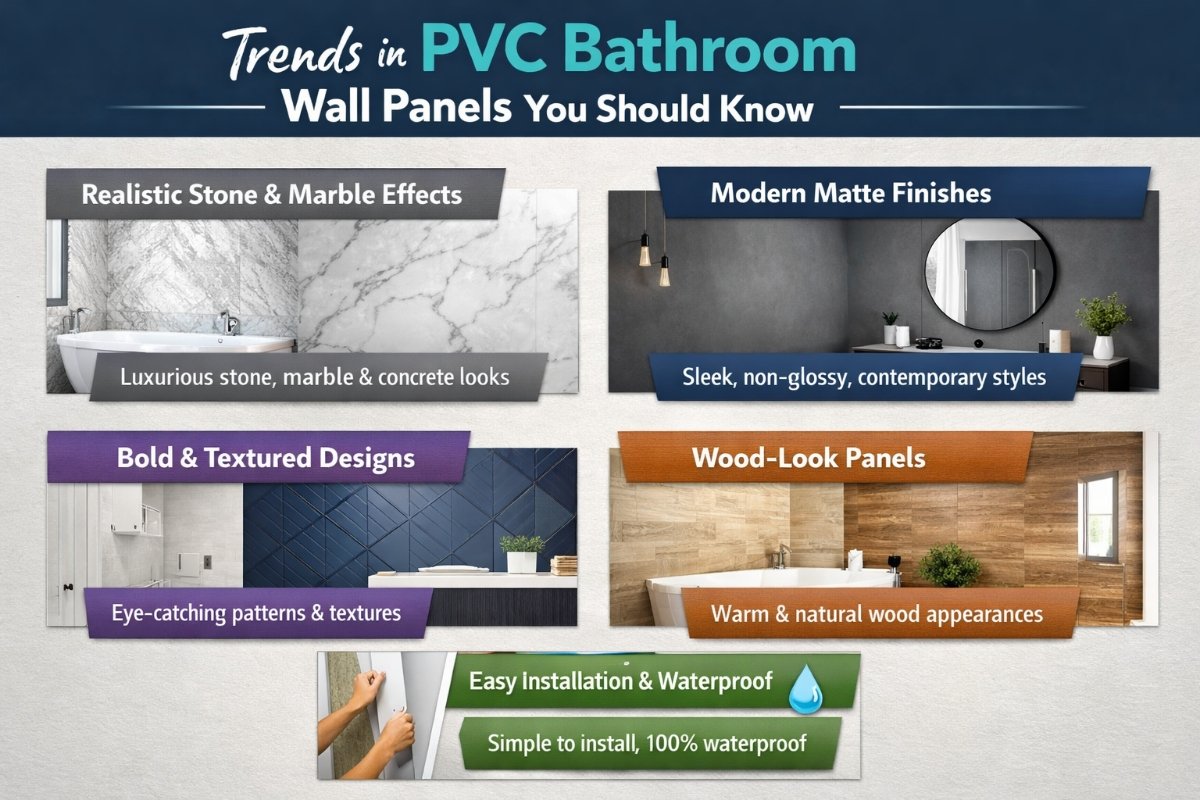
PVC shower panels are made from rigid polyvinyl chloride, typically finished with a printed decorative layer that mimics stone, tile, or wood grain patterns. They are the most budget friendly option in this category and one of the lightest to handle during installation.
Advantages:
- Lowest cost of the major panel types
- Lightweight, so easier for DIY installation
- Naturally waterproof core material
- Wide range of printed finishes available
Disadvantages:
- Can flex or feel slightly hollow underfoot compared to denser materials
- Printed finishes can look less convincing up close than composite or solid surface options
- Lower heat tolerance, so not always recommended for steam showers without checking manufacturer ratings
SPC Shower Panels
SPC, or stone plastic composite, panels combine limestone powder with a PVC binder to create a denser, more rigid board than standard PVC. This is a newer category in wall panels, borrowed from the flooring industry where SPC has already become popular for its stability.
Advantages:
- More rigid and dimensionally stable than standard PVC
- Good resistance to temperature swings
- Solid, quality feel when installed
Disadvantages:
- Heavier than PVC, so installation takes more effort
- Generally priced above standard PVC panels
- Fewer decorative finish options currently on the market compared to PVC
Composite Shower Panels
Composite panels blend multiple materials, often a mineral or stone based core with a resin or polymer surface layer, to achieve a look and feel closer to natural stone or tile at a fraction of the weight and cost.
Advantages:
- Realistic stone, marble, and concrete effect finishes
- Strong resistance to impact and scratching
- Good middle ground between budget PVC and premium solid surface
Disadvantages:
- Mid range to higher price point
- Heavier panels can require an extra set of hands during installation
Laminate Shower Panels
Laminate panels use a high pressure laminate face bonded to a moisture resistant core board. They are common in both bathroom wall panels and shower surrounds because the laminate surface can replicate wood, stone, and solid color finishes convincingly.
Advantages:
- Wide design flexibility, including wood look finishes
- Smooth, easy to clean surface
- Reasonably priced for the visual quality offered
Disadvantages:
- Edges and cut lines need careful sealing since the core is more moisture sensitive than the surface layer
- Not always rated for full steam shower environments; check the product spec sheet before buying
Acrylic Shower Panels
Acrylic panels are solid sheets of acrylic, sometimes reinforced with a backing layer, known for a glossy, seamless appearance. They are a common choice in tub and shower surround kits sold as prefabricated units.
Advantages:
- Naturally glossy, seamless finish with strong visual appeal
- Completely non porous surface, so no grout to maintain
- Warm to the touch compared to stone or tile
Disadvantages:
- Can scratch if cleaned with abrasive pads or harsh scrubbing tools
- Glossy finish shows water spots and fingerprints more readily than matte finishes
- Higher heat exposure over time can occasionally cause slight discoloration in lower quality products
Solid Surface Shower Panels
Solid surface panels are made from a blend of natural minerals and acrylic or polyester resins, similar in composition to solid surface countertop material. They sit at the premium end of the shower panel category.
Advantages:
- Premium look and feel, closest to natural stone among panel options
- Extremely durable and resistant to impact
- Seams can be fused for a nearly invisible finish in professional installations
Disadvantages:
- Highest price point in the panel category
- Heavier, typically requiring professional installation
- Limited availability in some regions compared to PVC or laminate
PVC vs Composite vs Acrylic vs Laminate: Quick Comparison
| Material | Price Range | Weight | Best For | Watch Out For |
|---|---|---|---|---|
| PVC | Budget friendly | Light | DIY projects, rental units, quick refreshes | Can feel less premium underfoot |
| SPC | Mid range | Medium to heavy | Homeowners wanting extra rigidity and stability | Fewer finish options currently |
| Composite | Mid to upper range | Medium to heavy | Realistic stone or concrete look without solid surface pricing | Heavier panels, plan for extra installation help |
| Laminate | Budget to mid range | Light to medium | Wood look finishes, design flexibility on a budget | Confirm steam shower rating before buying |
| Acrylic | Mid range | Light to medium | Glossy, seamless tub and shower surrounds | Avoid abrasive cleaning tools |
| Solid Surface | Premium | Heavy | High end renovations, luxury bathrooms | Professional installation recommended |
Benefits of Shower Panel Systems
The reason shower panel systems keep gaining ground on tile is not a single feature. It is the combination of practical advantages that add up over the life of a bathroom.
Waterproof Performance
Because panels are large sheets rather than small tiles, there are dramatically fewer joints where water can penetrate. A properly installed panel system creates a genuinely watertight barrier, which matters most in a room that sees daily moisture exposure.
Quick Installation
A full shower enclosure can often be panelled in a single day, compared to several days for tiling, curing, and grouting. This matters for anyone trying to minimize the time a bathroom is out of service.
Easy Maintenance
With no grout lines to scrub, weekly cleaning becomes a wipe down rather than a scrubbing session. This is one of the most frequently mentioned benefits among homeowners who switch from tile.
Mold Resistance
Grout is porous and, even when sealed, tends to trap moisture over time, which is exactly the environment mold needs. Panel surfaces are non porous, and the reduced number of seams means fewer places for mold to establish itself.
Durability
Quality panels are built to handle years of daily moisture, temperature changes, and cleaning without cracking or fading, particularly composite and solid surface options.
Modern Appearance
Large format panels create a clean, continuous look that suits contemporary bathroom design, and many finishes now convincingly replicate marble, concrete, and natural stone.
Cost Savings
Material and labor costs are typically lower than a comparable tile installation, especially when you factor in the reduced installation time and lower long term maintenance.
Fewer Grout Lines
Beyond aesthetics, fewer grout lines mean fewer weak points, less regrouting down the line, and a bathroom that looks fresh for longer with minimal upkeep.
Shower Panels vs Traditional Tile
Tile has been the standard for decades, and it still has a place in bathroom design, particularly for homeowners who want intricate patterns or a specific traditional look. But when it comes to practicality, the two approaches differ in some important ways.
| Factor | Shower Panel Systems | Traditional Tile |
|---|---|---|
| Installation Time | Often completed in one to two days | Can take several days including curing time |
| Maintenance | Wipe down cleaning, no grout to scrub | Requires regular grout cleaning and occasional resealing |
| Cleaning | Simple, non porous surface | Grout lines trap dirt and can stain over time |
| Longevity | Many years with minimal upkeep, varies by material | Can last decades but grout needs periodic attention |
| Waterproofing | Fewer seams, strong waterproof performance | Grout lines are a common failure point over time |
| Appearance | Clean, modern, large format look | Classic look, wide range of pattern possibilities |
| Repair | Individual panel replacement possible depending on system | Individual tile replacement possible but can be tricky to match old grout and glaze |
| Resale Value | Increasingly appealing to buyers who want low maintenance features | Still valued in many markets, especially natural stone tile |
Neither option is universally better. Homeowners who want the lowest maintenance and fastest turnaround tend to lean toward panels, while those chasing a specific intricate pattern or a very traditional aesthetic may still prefer tile, or a combination of the two, such as tiled flooring paired with panelled shower walls.
How to Choose the Right Shower Panel System
Choosing between the options above comes down to a handful of practical questions rather than picking whatever looks best in a showroom photo.
It helps to work through these one at a time rather than trying to decide everything at once, since budget and material choice often narrow down the style options anyway, and style preferences can narrow down which finishes are worth requesting samples for in the first place.
Bathroom Size
Smaller bathrooms benefit from panels with fewer visible joints and lighter finishes, which help a compact space feel larger. Larger bathrooms have more flexibility to use bold patterns like dark marble effect or textured concrete finishes.
Style
Think about the rest of the home. A panel that looks stunning in isolation can feel out of place if it clashes with the flooring, vanity, or fixtures already in the bathroom.
Budget
PVC and laminate panels suit tighter budgets, composite and SPC sit in the middle, and solid surface is the choice for homeowners prioritizing longevity and premium appearance over upfront cost.
Finish
Gloss finishes brighten a room and are easy to wipe clean but show water spots more readily. Matte finishes hide fingerprints and water marks better but can show scratches more visibly depending on the material.
Material
Match the material to the bathroom’s use. A steam shower or high humidity bathroom needs a system rated for that environment, which rules out some lower end PVC products.
Thickness
Thicker panels generally feel more solid and resist flexing, which matters most in larger uncut sections of wall. Thinner panels are lighter and easier to handle but may need additional wall support in some installations.
Installation Method
Some systems are designed for adhesive only installation, while others use a mechanical trim system alongside adhesive. If you are planning a DIY installation, look specifically for systems marketed as suitable for homeowner installation.
Warranties
Warranty length is a good proxy for manufacturer confidence in the product. Compare warranty terms across brands rather than assuming they are all similar, since coverage can range from a few years to a couple of decades depending on material and manufacturer.
Pay attention to what the warranty actually covers as well. Some manufacturers only guarantee against manufacturing defects, while others also cover fading, cracking, or delamination under normal household use. It is also worth checking whether the warranty is voided by DIY installation, since a few manufacturers only honor full coverage when the system is installed by an approved or professional installer.
When comparing suppliers, it helps to work with one that carries a genuinely wide range of materials and finishes rather than just one or two product lines, since your bathroom’s specific requirements might not match whatever is most heavily promoted.
Suppliers such as Floors To Walls, for example, stock multiple panel types side by side, which makes it easier to compare PVC against composite or laminate against solid surface before committing to a purchase.
Popular Design Styles
One of the underrated advantages of panel systems is how far the design options have come. Here are the styles homeowners are gravitating toward right now.
- Marble effect: Realistic veining patterns that bring a luxury look without the cost or maintenance of natural marble.
- Concrete effect: A popular choice for minimalist and industrial style bathrooms, offering a raw, understated texture.
- Slate effect: Deep, textured finishes that suit rustic or nature inspired bathroom themes.
- Wood effect: Warm, natural looking finishes that bring texture into a bathroom without the moisture risks of real wood.
- Tile effect: Familiar tile patterns in a single panel, useful for homeowners who want the tile look without actual grout lines.
- White gloss: A clean, bright option that suits smaller bathrooms and helps reflect light.
- Matte finishes: Increasingly popular for a softer, more contemporary look that hides fingerprints and water spots well.
- Modern minimalist: Plain, single tone panels that let fixtures and lighting take center stage.
If you are undecided, ordering a few sample swatches before committing to a full panel order is worth the small delay, since colors and textures can look noticeably different under bathroom lighting compared to a product photo online.
Installation Guide
Installing shower wall panels follows a fairly consistent process across most systems, though it is worth checking your specific manufacturer’s instructions since adhesive types and trim details can vary.
Preparation
Start with a clean, dry, structurally sound wall. Existing tile can sometimes be panelled over directly if it is flat and firmly attached, which is one of the appeals of this system for renovation projects, though loose or uneven tile should be removed first.
Measuring
Measure each wall carefully, accounting for corners, windows, niches, and any fixtures that need to be worked around. Order panels with a small allowance for cutting error rather than exact measurements.
Cutting
Most panels can be cut with standard tools such as a fine tooth saw or a track saw fitted with the right blade for the material. SPC and solid surface panels typically need more robust cutting tools than PVC or laminate.
Adhesive
Apply the manufacturer recommended adhesive in the pattern specified, usually a bead pattern across the back of the panel, then press the panel firmly into place following the working time noted on the adhesive packaging.
Trims
Corner trims, edge trims, and joint trims give the installation a finished look while also providing an additional layer of protection against water at the seams.
Sealing
Silicone sealant is applied at the base of the wall, around fixtures, and at any internal corners not covered by trim, since these are the areas most exposed to standing water and movement.
Finishing
Once sealant has cured according to the product instructions, the shower is ready for use. Manufacturers typically recommend waiting at least 24 hours before the first shower to allow adhesive and sealant to fully set.
Is DIY Installation Suitable?
Many PVC and laminate systems are specifically designed with DIY installation in mind, with straightforward trim systems and manageable panel weights. Composite, SPC, and solid surface panels are heavier and less forgiving of mistakes, so many homeowners choose professional installation for those materials, particularly on larger or more complex bathroom layouts.
Maintenance Guide
One of the main selling points of shower panels is low maintenance, but low maintenance does not mean zero maintenance.
Cleaning
A simple wipe down with a mild soap and warm water solution after showering, or a few times a week, keeps most panel surfaces looking new. A squeegee used regularly on glossy finishes helps prevent water spot buildup.
Products to Avoid
- Abrasive scouring pads or steel wool
- Bleach based cleaners on colored or printed finishes, unless specifically approved by the manufacturer
- Harsh solvent based cleaners that can dull glossy surfaces over time
Mold Prevention
Keep the bathroom ventilated during and after showers, wipe down sealant lines periodically, and address any small gaps in sealant promptly before moisture can work its way behind the panel.
Maintenance Schedule
| Task | Frequency |
|---|---|
| Wipe down panel surface | After each use or a few times weekly |
| Check sealant lines for gaps or discoloration | Every 3 to 6 months |
| Deep clean with recommended cleaner | Monthly |
| Reseal joints if needed | Every 1 to 3 years, depending on wear |
Common Mistakes to Avoid
- Skipping wall preparation: Installing over an uneven or damp wall leads to adhesion problems and can trap moisture behind the panel.
- Using the wrong adhesive: Generic adhesive not rated for wet areas can fail over time, so always use what the manufacturer specifies.
- Under measuring panels: Ordering panels without allowance for cutting mistakes often leads to costly reorders and installation delays.
- Ignoring expansion gaps: Panels need small gaps at edges to allow for natural expansion and contraction with temperature changes.
- Poor sealant application: Rushed or incomplete sealing at joints and corners is one of the leading causes of water damage behind panel systems.
- Choosing finish before checking durability rating: A beautiful finish that is not rated for your bathroom’s humidity level, such as a steam shower, can lead to disappointment.
- Not ordering samples first: Colors and textures can look different in person than they do online, so a small sample order avoids surprises.
Cost Guide (USA)
Costs vary widely based on material choice, bathroom size, and whether you install the panels yourself or hire a professional. The ranges below reflect typical U.S. market pricing rather than exact figures, since regional labor rates and product lines vary.
| Item | Typical Range |
|---|---|
| PVC panel material (per shower enclosure) | Lower end of the market |
| Laminate panel material | Low to mid range |
| SPC and composite panel material | Mid range |
| Acrylic panel material | Mid range |
| Solid surface panel material | Upper end of the market |
| Professional installation labor | Varies by region and bathroom complexity |
| DIY installation | Material cost only, plus tools and adhesive if not already owned |
Material Costs
Material cost is largely driven by the core material and finish quality. Printed PVC sits at the lower end, while solid surface panels with fused seams sit at the top of the market. Within each material category, price also shifts based on panel size and finish complexity. A plain white gloss PVC panel will usually cost less than a highly detailed marble effect panel from the same product line, since more elaborate printed finishes typically involve a more advanced manufacturing process. Trims, adhesive, and sealant are usually priced separately from the panels themselves, so it is worth asking a supplier for a full materials quote rather than pricing the panels alone.
Installation Costs
Professional installation typically costs less than tile installation for a comparable size project, since panel systems install faster and require less specialized labor time. Labor costs vary by region, and complex bathroom layouts with multiple corners, niches, or fixtures to work around will cost more to install than a simple rectangular shower enclosure. Getting at least two or three quotes from local installers is a reasonable way to gauge a fair price for your specific bathroom, since layout complexity affects labor time more than most homeowners expect.
DIY Savings
Choosing a DIY friendly system like PVC or laminate and installing it yourself can meaningfully reduce total project cost, though it is worth being realistic about your comfort level with cutting and sealing before committing to a full bathroom.
Long Term Value
Because panel systems generally need less ongoing maintenance than tile and grout, the lower upfront cost is often reinforced by lower costs over the life of the bathroom, including fewer resealing and repair jobs.
Frequently Asked Questions
Are shower panel systems waterproof?
Yes, when installed correctly. Quality shower panels have a waterproof core and are joined with trims and silicone sealant designed for wet environments. The main risk to waterproofing comes from poor installation, particularly incomplete sealant application at joints and edges, rather than the panel material itself failing.
Can shower panels be installed over tile?
In many cases, yes. If the existing tile is flat, firmly attached, and free of loose grout or cracked tiles, panels can often be installed directly over it, which saves the time and mess of tile removal. Uneven or damaged tile should be repaired or removed first to avoid adhesion problems.
How long do shower panels last?
Lifespan depends heavily on material quality and installation. Budget PVC panels may last a decade or so with reasonable care, while composite and solid surface panels are often built to last considerably longer with proper maintenance and correct initial installation.
Are shower panels cheaper than tile?
Generally yes, both in material and installation labor, though the exact savings depend on the specific tile and panel products being compared. Premium solid surface panels can approach or exceed the cost of mid range tile, so it is worth comparing like for like products rather than assuming panels are always the cheaper option.
Which material is best for shower panels?
There is no single best material, since the right choice depends on budget, bathroom use, and desired appearance. PVC suits budget conscious DIY projects, composite and SPC offer a good balance of durability and price, and solid surface suits homeowners prioritizing premium appearance and longevity over upfront cost.
Do shower panels crack?
Quality panels are designed to resist cracking under normal use, though impact damage, incorrect installation, or exposure to conditions outside the manufacturer’s rating can lead to cracking over time. Solid surface and composite panels tend to be more impact resistant than lighter PVC options.
Can damaged shower panels be repaired?
Minor scratches on acrylic or solid surface panels can sometimes be buffed out, while more significant damage often requires replacing the affected panel section. This is one reason it can help to keep a small offcut of your panel material after installation, in case a repair or color match is needed later.
Are shower panels mold resistant?
The panel surface itself is non porous and resists mold growth far better than grout. However, mold can still develop in poorly sealed joints or areas with inadequate ventilation, so proper installation and regular cleaning remain important even with mold resistant materials.
Are shower panels suitable for steam showers?
Some are, but not all. Steam showers create sustained high heat and humidity that not every panel material is rated for, particularly some budget PVC products. Always check the manufacturer’s specifications for steam shower suitability before purchasing if that is how the bathroom will be used.
Can shower panels increase home value?
A clean, modern, low maintenance bathroom is generally appealing to buyers, and panel systems can contribute to that impression, particularly in markets where buyers prioritize move in ready condition over original materials. That said, home value impact depends on many factors beyond wall finish, including overall bathroom condition and local market preferences.
How wide are shower panels?
Panel widths vary by manufacturer, but many standard panels range from around two to four feet wide, with larger format options available from some suppliers for fewer visible joints on bigger walls.
Do shower panels need grout?
No, one of the main appeals of panel systems is eliminating grout entirely. Joints between panels are typically covered with trim strips or sealed directly with silicone rather than grout.
Can I install shower panels myself?
Many PVC and laminate systems are designed for DIY installation with manageable weight and straightforward trim systems. Heavier materials like solid surface or SPC are generally better suited to professional installation, especially for larger or more complex bathroom layouts.
What is the difference between shower panels and wet wall panels?
The terms are often used interchangeably in the industry. Both refer to large format waterproof panels designed for bathroom and shower walls, though wet wall panel is sometimes used more broadly to include panels used beyond just the shower enclosure itself.
Do shower panels fade over time?
Quality panels are designed to resist fading under normal bathroom lighting and use, though prolonged direct sunlight exposure or contact with harsh chemical cleaners can affect some finishes over many years. Choosing a reputable manufacturer with UV and chemical resistance testing reduces this risk.
How do I clean shower panels without damaging them?
A soft cloth or non abrasive sponge with mild soap and warm water is sufficient for most cleaning. Avoid steel wool, abrasive powders, and harsh solvents, and always check manufacturer guidance for any specific cleaning product restrictions tied to your panel’s finish.
Do shower panels smell or off gas when new?
Some PVC based products can carry a mild plastic smell for the first few days after installation, which typically fades on its own with normal bathroom ventilation. If you are sensitive to this, running an extractor fan or opening a window for the first week helps, and choosing a reputable manufacturer with proper material certifications reduces the likelihood of a lingering odor.
What is the difference between shower panels and Multipanel style systems?
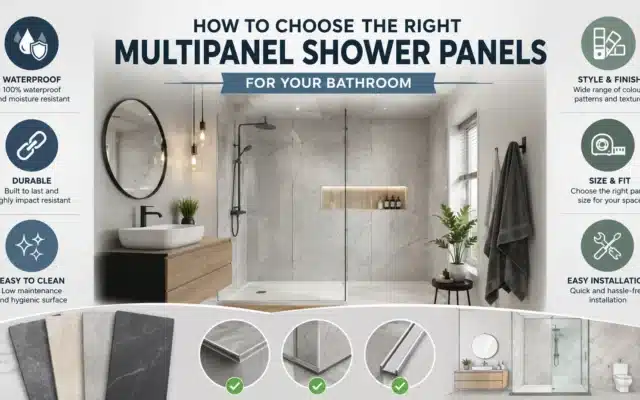
Multipanel is a well known brand name in the wall panel category, and the term is sometimes used generically the way people say tissue instead of facial tissue. Functionally, most branded systems in this space work on similar principles: a rigid waterproof core, a decorative surface layer, and a trim based joining system. Differences between brands usually come down to panel thickness, finish quality, trim design, and warranty terms rather than the fundamental technology.
Final Buying Advice
By this point you have a full picture of what shower panel systems offer, how the materials differ, and what installation and maintenance actually involve. Turning that into a decision comes down to matching the system to your specific situation.
If budget is the primary concern and you are comfortable handling some of the installation yourself, PVC or laminate panels offer a practical, attractive result without a large investment. If you want a balance of durability, realistic stone or concrete visuals, and moderate cost, composite or SPC panels are worth prioritizing. If this is a long term investment in a forever home or a higher end renovation, solid surface panels deliver the most premium result and the longest expected lifespan.
Lifestyle matters too. A busy household with kids or frequent guest use benefits from the lower maintenance of panel systems generally, while a household that showers less frequently or has lower humidity concerns has more flexibility to consider lighter weight or more budget friendly options without worrying as much about steam ratings.
Buying Checklist
- Confirm the panel material matches your bathroom’s humidity level, especially for steam showers
- Measure walls accurately and order extra material for cutting allowance
- Check whether the system is rated for installation over existing tile
- Compare warranty length and terms across at least two or three suppliers
- Order sample swatches before committing to a full panel order
- Decide upfront whether installation will be DIY or professional, since this affects which material makes the most sense
- Budget for adhesive, trims, and sealant in addition to the panels themselves
- Check the manufacturer’s recommended cleaning products before choosing a finish
Conclusion
Shower panel systems have earned their growing popularity through genuine practical advantages rather than a passing design trend. Faster installation, easier cleaning, strong waterproof performance, and a wide range of modern finishes make them a serious alternative to traditional tile for most bathroom renovation projects.
The right choice ultimately depends on your budget, how the bathroom will be used, and how much long term maintenance you want to take on. Whichever material you choose, working from accurate measurements, following manufacturer installation guidance closely, and buying from a supplier who carries a genuine range of materials, such as Floors To Walls, will put you in a strong position to get a bathroom wall system that looks good and holds up for years to come.
Published By: blog.crecso.com